

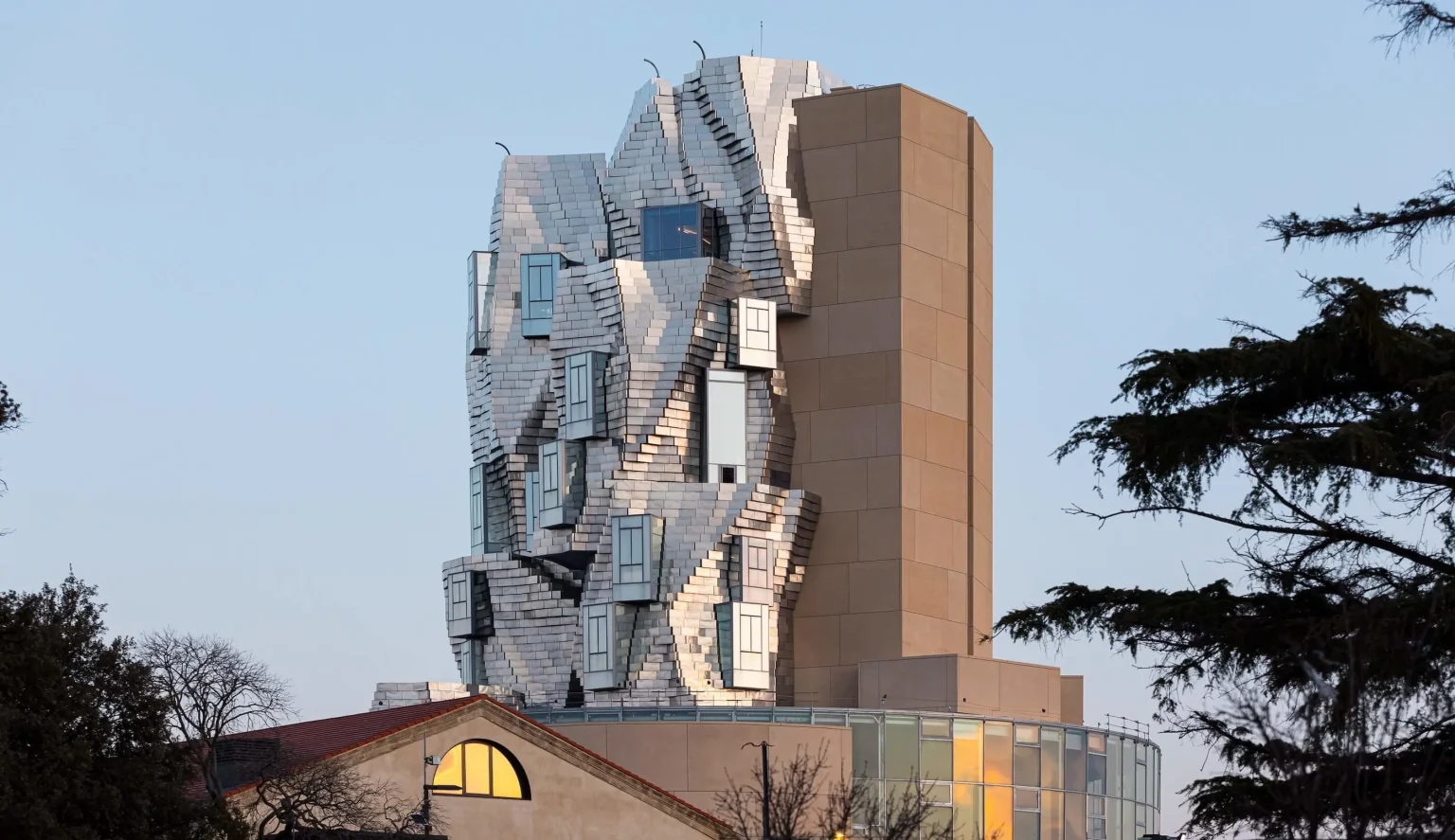
Architecture has developed an uncomfortable obsession with being noticed. Buildings are increasingly expected to communicate something immediately, photograph well, attract attention, and establish a recognizable identity. A facade must have a signature. A roof must make a statement. A public building must become a destination before anyone has even entered it. In this environment, ordinary architecture risks being mistaken for architectural failure.
But what if a building does not need to be beautiful, memorable, or even particularly interesting? What if its greatest achievement is simply doing its job well?
The question is not an argument against architectural ambition. It is an argument against the assumption that ambition must always take a spectacular form. Architecture needs room for buildings that are modest, repetitive, awkward, unremarkable, and occasionally ugly. Not every structure needs to compete for attention. Some buildings should be allowed to exist without performing for an audience.
The Burden of Being an Icon
The architectural icon has become one of the most influential ambitions in contemporary urban development. Museums, cultural centers, transportation terminals, universities, and even residential complexes are frequently designed around the promise of an identifiable image. Their success is often discussed through the language of recognition: the building that represents a city, defines a neighborhood, or becomes an international reference.
There is nothing inherently wrong with landmark architecture. Cities need memorable places, and certain buildings can genuinely expand the possibilities of architectural expression. The problem begins when iconicity becomes an expectation rather than an exception.
When every commission is expected to produce a distinctive architectural statement, design priorities become distorted. The building is no longer evaluated primarily through its spatial organization, construction logic, environmental performance, or relationship with everyday life. Instead, its visual identity begins to dominate the conversation.
This creates a strange architectural hierarchy in which a visually striking building appears more valuable than one that quietly accommodates thousands of ordinary activities. A spectacular entrance can receive more attention than a well-designed corridor. An expressive roofline can become more important than the quality of the rooms beneath it.
Architecture begins to serve its own image.
Ordinary Buildings Are Not Architectural Mistakes
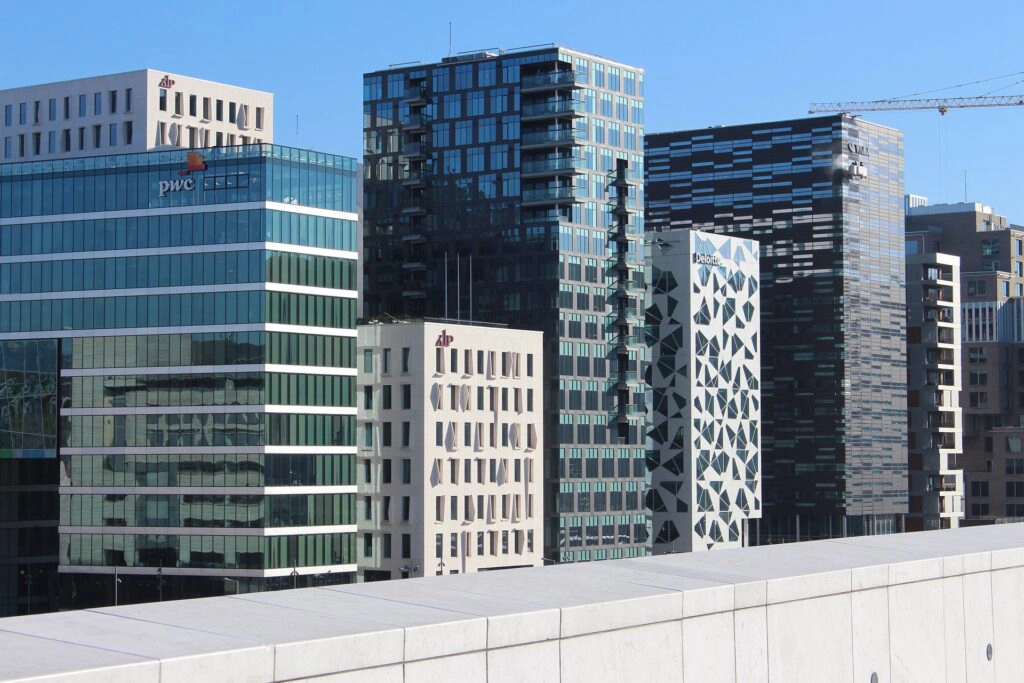
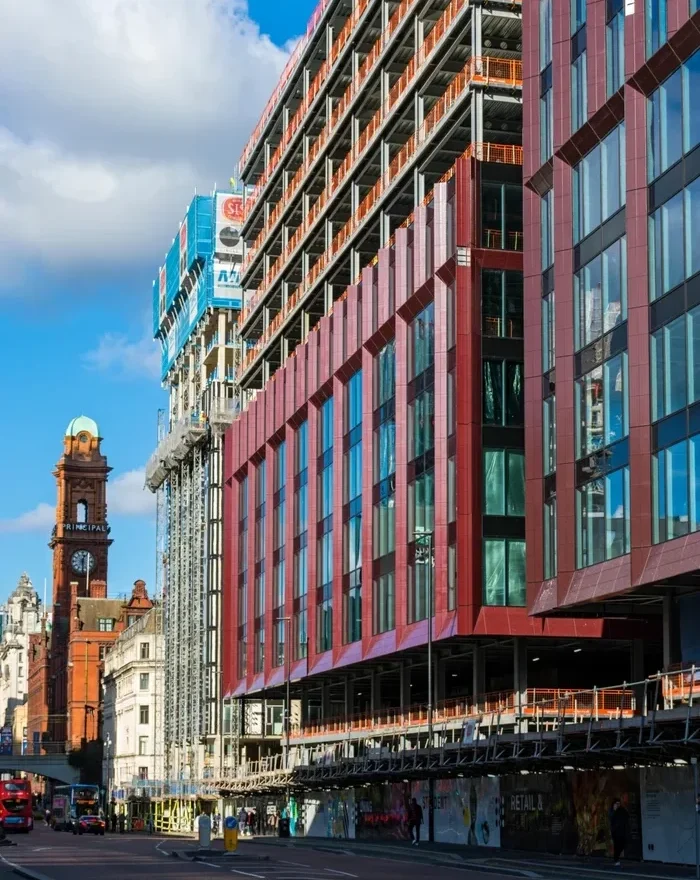
Most of the built environment is not composed of museums, concert halls, or extraordinary public spaces. It consists of apartment blocks, schools, workshops, offices, warehouses, neighborhood shops, parking structures, and countless buildings that rarely enter architectural discussions.
These structures form the physical background of everyday existence. They accommodate repetitive activities, support economic and social systems, and establish the spatial conditions through which cities function.
Their ordinary character should not automatically be understood as a weakness.
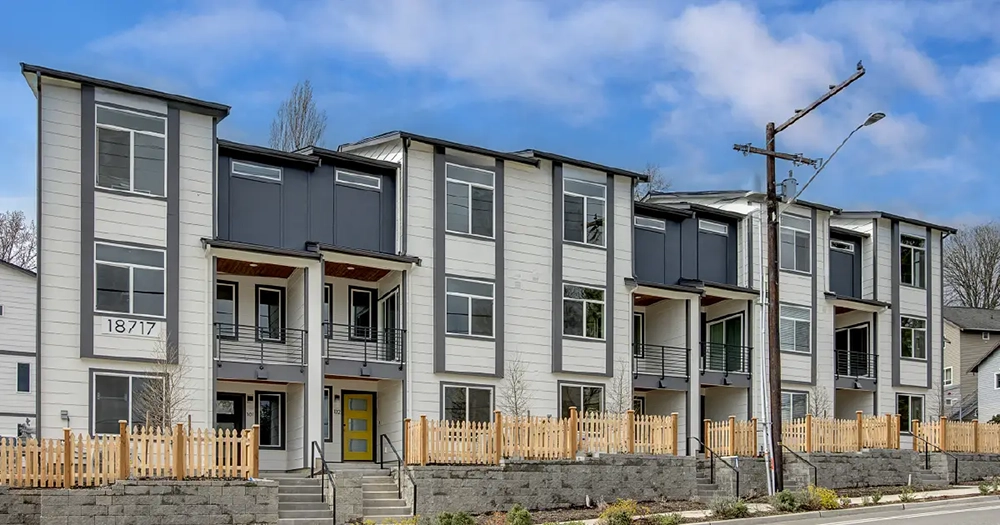
Consider a modest residential building. Its success may depend on the practical arrangement of apartments, the thickness of its walls, the placement of windows, the relationship between private and shared circulation, and the possibility of adapting its interior over time. None of these qualities necessarily produces a spectacular photograph. Yet they determine whether the building remains useful and comfortable long after its initial presentation.
A warehouse may have no architectural ambition beyond providing a robust enclosure for storage and distribution. A small neighborhood clinic may look almost anonymous from the street, but its clear circulation, accessible entrance, natural lighting, and carefully organized rooms can make it an excellent piece of architecture.
The value of such buildings lies in their performance rather than their ability to attract attention.
There is an important distinction between architecture that is ordinary because it is carefully restrained and architecture that is ordinary because nobody cared enough to make it better. Defending the right to be ugly should never become an excuse for negligence, poor construction, or indifferent design. It should instead challenge the idea that visual distinction is the ultimate measure of architectural quality.
The Problem with Designing for the Photograph
Contemporary architectural culture is increasingly shaped by visual communication. Digital platforms reward buildings that can be recognized in a single image. Architectural projects circulate through carefully selected photographs, dramatic perspectives, and highly controlled representations.
This has consequences for design practice.
A building intended to look impressive in a photograph may not necessarily work well at the scale of the human body. An unusual geometric composition can produce difficult interior spaces. A highly articulated facade may complicate maintenance. A dramatic entrance sequence can make everyday access unnecessarily confusing.
These contradictions are not inevitable, but they reveal a fundamental problem: the difference between architecture as an image and architecture as an inhabited environment.
Photography freezes architecture into a particular moment. It cannot fully communicate the experience of moving through a building, the acoustic quality of a room, the usability of a staircase, or the gradual deterioration of materials. It rarely reveals whether a building is easy to repair, economically maintainable, or adaptable to changing needs.
An architectural project should not have to justify itself through its ability to become a successful image.
Perhaps one of the most valuable questions an architect can ask is whether a building would still be considered successful if nobody photographed it.
The Architecture of Restraint
There is a particular intelligence in knowing when not to make a gesture.
Architectural restraint is often misunderstood as a lack of creativity, but it can require more discipline than expressive design. It involves understanding which elements deserve emphasis and which should remain in the background. It means recognizing that every building occupies a specific physical, social, and economic context, and that its form should emerge from the actual conditions of the commission.
A school does not need to resemble a sculpture to inspire learning. A housing project does not need an extraordinary silhouette to create meaningful domestic spaces. A municipal building does not need an extravagant facade to communicate public responsibility.
In these cases, architectural quality may emerge through proportion, material selection, construction precision, spatial continuity, and the relationship between interior and exterior.
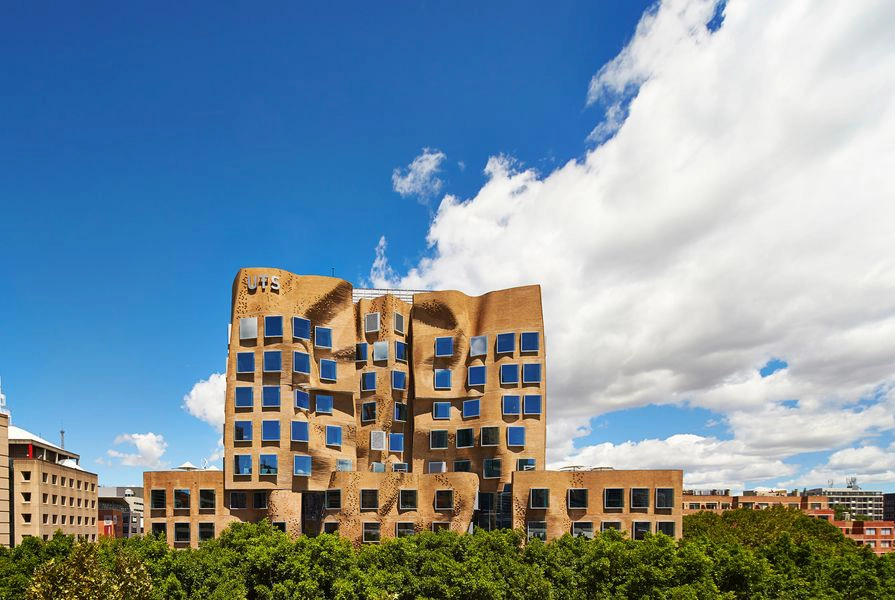
Restraint does not necessarily mean minimalism. A building can be colorful, irregular, materially expressive, or even visually unconventional without pursuing iconic status. The distinction is not between simple and complex architecture. It is between design decisions that respond to genuine architectural questions and gestures introduced primarily to manufacture an image.
An architect who chooses a quiet solution is not necessarily less ambitious than one who produces a dramatic form. Sometimes the more difficult task is to resist adding another unnecessary architectural statement.
The Economic Cost of Architectural Spectacle
The pursuit of iconic architecture also deserves a more direct economic examination.
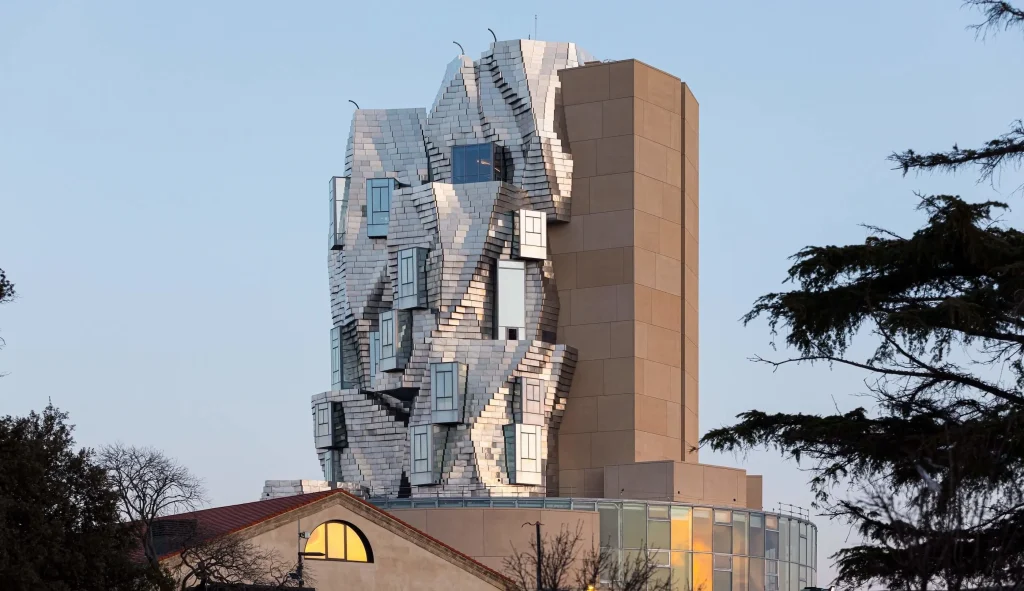
Distinctive geometries, customized facade systems, complex structural solutions, and unusual material assemblies can introduce additional costs during construction and throughout a building’s operational life. They may require specialized fabrication, more complicated installation processes, and maintenance procedures that ordinary facilities teams are not equipped to manage.
These expenses are not always justified by corresponding improvements in the building’s use.
This matters particularly in projects financed through public resources. When a municipality commissions a cultural center, library, school, or administrative building, the architectural budget competes with other demands: accessibility, maintenance, equipment, public services, and future improvements.
The question should not be whether a public building deserves architectural quality. It certainly does. The question is whether visual spectacle should consume resources that could produce more meaningful improvements in the building’s everyday performance.
A restrained design can be an intellectually ambitious response to limited resources. It can demonstrate that architectural quality is not dependent on expensive materials or complicated construction. It can also make future maintenance and adaptation more manageable.
However, economy should not be confused with austerity. Reducing architectural expenditure at the expense of daylight, ventilation, accessibility, material durability, or spatial generosity is not responsible design. It simply transfers the cost from the construction budget to the people who must use the building.
Giving Architects Permission to Disappear
Perhaps the most difficult aspect of this discussion concerns the professional identity of architects themselves.
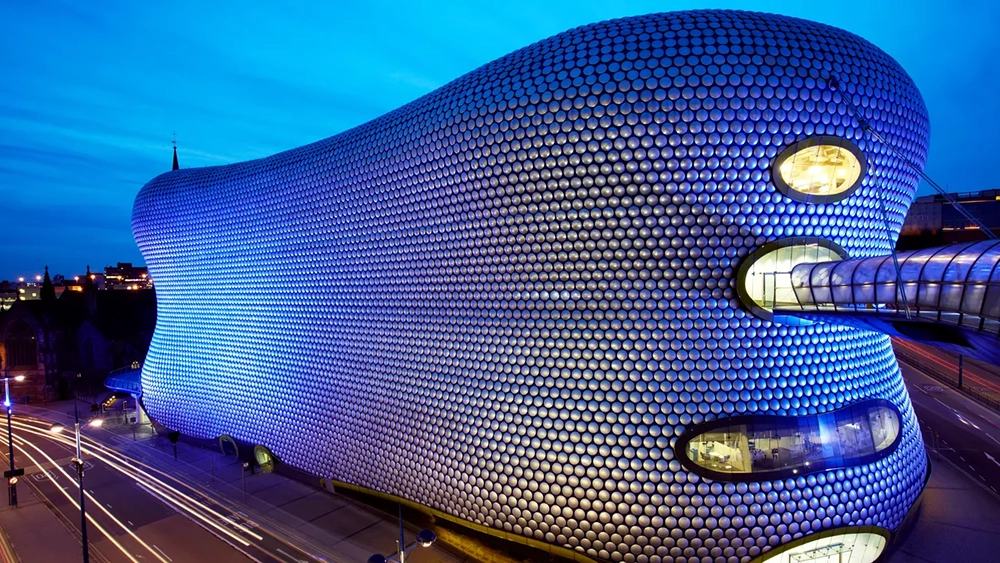
Architecture has traditionally celebrated authorship. Buildings are associated with individual designers, recognizable approaches, and distinctive formal languages. The architect is expected to leave a signature, and the building becomes evidence of that signature.
But not every commission requires an identifiable authorial presence.
In some projects, the architect’s most valuable contribution may be almost invisible. It may involve resolving difficult structural constraints, coordinating complex services, improving accessibility, negotiating between competing functional requirements, or creating a flexible spatial framework that allows future users to make their own decisions.
This kind of work is difficult to celebrate through conventional architectural imagery. It rarely produces an immediately recognizable object. Nevertheless, it represents a significant form of professional intelligence.
Architectural education could benefit from giving greater attention to these achievements. Students are often encouraged to produce visually compelling concepts and develop a strong formal identity. These skills matter, but they should be accompanied by an equally serious understanding of ordinary construction, building maintenance, spatial efficiency, and the long-term consequences of design decisions.
The ability to design an expressive building is valuable. The ability to recognize when expressiveness is unnecessary is equally important.

A More Generous Definition of Architectural Quality
The right to be ugly is ultimately a demand for architectural freedom, but not the freedom to ignore responsibility. It is the freedom to reject unnecessary spectacle and to recognize that buildings can contribute to cities in different ways.
Some buildings should become landmarks. Others should provide a reliable background for urban life. Some deserve attention because of their exceptional formal qualities, while others deserve respect because they are adaptable, economical, durable, accessible, or simply pleasant to occupy.
A city composed entirely of architectural icons would be exhausting. Every street would compete for attention, every façade would attempt to become a statement, and the ordinary spaces necessary for everyday life would gradually lose their place in the architectural imagination.
Urban environments need contrast, hierarchy, continuity, and moments of visual rest. They need buildings that lead the eye and buildings that allow the eye to move elsewhere.
Perhaps the future of architectural excellence depends partly on recovering this distinction. Instead of asking whether every building can become an icon, architects, clients, and critics might begin by asking what each building actually needs to become.
A building does not have to be beautiful to be intelligent. It does not have to be famous to be meaningful. And it certainly does not have to become an architectural landmark to justify its existence.
Sometimes, the most responsible architectural decision is to design a building that does not demand to be admired. It simply makes room for life, does its work, and allows the city to continue around it.
That, too, is architecture.
